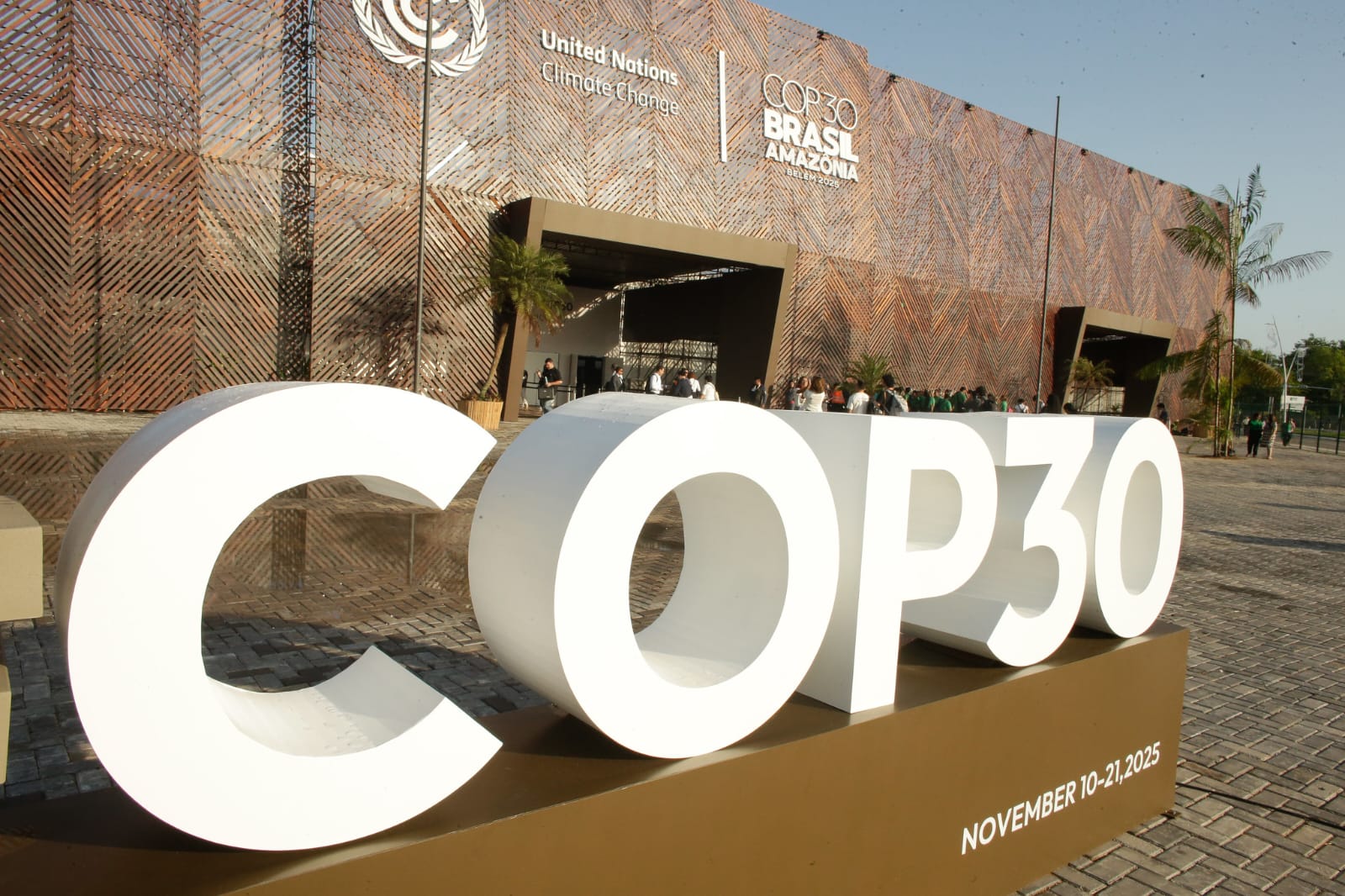
COP30 was framed, in advance, as the "implementation COP" — the moment when the pledges stacked up since Paris would finally start becoming policy. That framing was always optimistic. What actually emerged was something more modest and, depending on your disposition, either encouraging or exhausting: incremental progress on NDCs, some new finance commitments, a fossil fuel transition coalition that most of the countries that matter still haven't joined, and a gavel that fell two weeks later over a text that left most delegations wanting more.
On the climate pledges
The headline number is that 122 parties submitted updated Nationally Determined Contributions by the close of the conference. The UNFCCC's own synthesis found that these, taken together, would reduce emissions to around 12% below 2019 levels by 2035. To put that in context: without the Paris Agreement framework, projections had emissions rising somewhere between 20 and 48% above 2019 levels by the same date. So the framework is doing something. It has, in the language of climate policy, bent the curve. It has not bent it nearly enough.
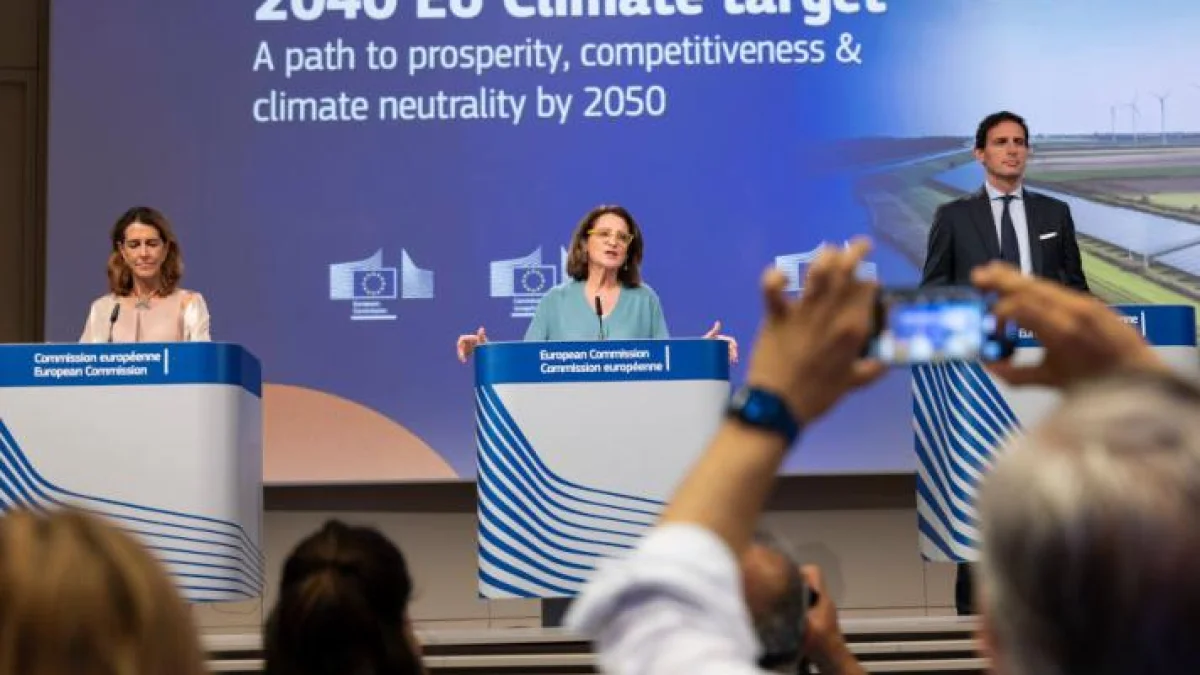
The EU arrived with a reasonably credible new NDC — a 66 to 72.5% cut in greenhouse gas emissions by 2035 relative to 1990, grounded in its legally adopted 2040 target. Brazil, Japan, the UK, Norway and a handful of others also submitted strengthened plans ahead of the summit. Several of the world's largest emitters did not, or submitted targets that politely ignore what the science actually requires. This is not a new development. It remains the central problem.
On money
Climate finance was carried over from COP29 in Baku, where the New Collective Quantified Goal landed with a target of at least $300 billion per year by 2035 from public sources, as part of a broader $1.3 trillion annual mobilisation from all sources. In Belém, developing nations pushed hard for more adaptation funding specifically — the kind that builds flood defences and drought-resistant water systems rather than the renewable energy projects that tend to attract private capital more easily. The outcome was a call to at least triple adaptation finance by 2035 within that framework. Whether "a call to" constitutes a commitment is a reasonable thing to wonder about.
The EU flagged that it delivered EUR 31.7 billion in climate finance in 2024, roughly half of which went toward adaptation. That is a real number. The gap between what's flowing and what's needed remains very large.
On fossil fuels
A coalition of more than 80 countries — including the EU and its member states — launched a partnership in Belém to transition away from fossil fuels, under Brazil's presidency. The language echoed the COP28 direction-of-travel agreed in Dubai. The EU renewed its Dubai commitments: transition away from fossil fuels, triple renewables capacity, double energy efficiency by 2030. The EU's own electricity mix hit 47% renewables in 2024. Final energy consumption fell 3% compared to 2022. These are domestic numbers that the bloc is, fairly or otherwise, projecting as evidence that a managed fossil fuel transition is possible.
What the coalition did not include, notably, is most of the emitters who would need to be in it for it to matter at scale. That remains the structural problem with voluntary coalitions at COPs, and it was not solved in Belém.
On the social dimension
A Just Transition Mechanism was established in the final text — a framework to support workers and communities as economies shift away from fossil fuel dependence. Gender equity featured in the closing outcomes in the form of the Belém Gender Action Plan. Indigenous Peoples' groups and youth organisations had visible presence throughout the fortnight. These are not trivial things, even if they tend to get less coverage than the finance numbers.
The conference also saw the launch of an Open Coalition on Compliance Carbon Markets, aimed at improving the integrity of carbon pricing mechanisms and reducing the space for greenwashing within market-based systems. Given how much greenwashing has flourished under the cover of low-quality offsets over the past decade, a credible international framework for compliance markets would be genuinely useful. Whether this coalition becomes that is something to watch.
On forests
Two specific commitments on forests are worth noting. The EU endorsed the Declaration on the Tropical Forest Forever Facility, a funding mechanism designed to reward conservation rather than just punish deforestation after the fact. It also signed the Belém Call to Action for the Congo Basin Forests, renewing a COP26 commitment to halt and reverse deforestation in that region by 2030. Both are meaningful in principle. The history of forest pledges at COPs suggests sustained scepticism is warranted until the financing actually flows.
The honest summary
COP30 did not transform the trajectory of global emissions. It was not going to. What it did was demonstrate that multilateral climate diplomacy can still produce outcomes without US federal participation — which, given the current political situation in Washington, is worth noting without overstating. The Paris Agreement framework continues to function. NDC ambition continues to inch upward. The gap between current pledges and what the science requires continues to be large, clearly documented, and not yet closed.
European Commissioner Wopke Hoekstra described the outcome as "chaotic and messy" while moving "in the right direction," and said the EU had hoped for more. That is about as accurate a summary as you will find. The world leaves Belém with modestly stronger commitments than it arrived with, a set of new mechanisms whose effectiveness won't be clear for years, and the same fundamental mismatch between what governments have agreed to do and what physics requires. The homework, as ever, remains substantial.