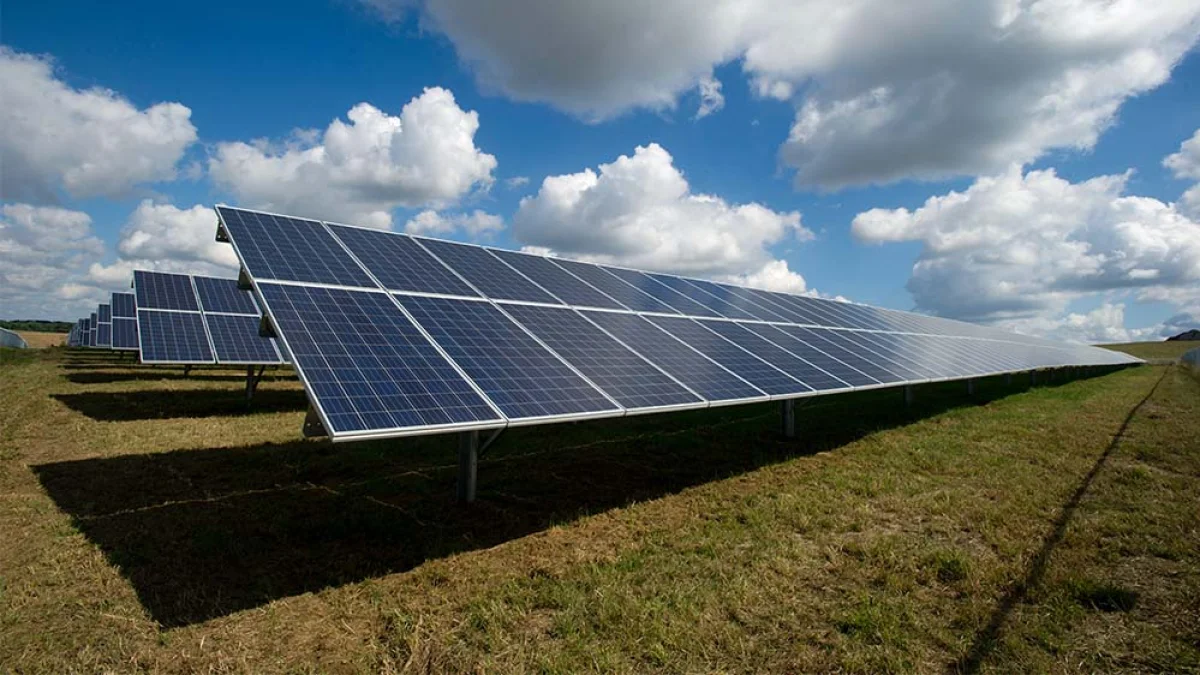
The UK government has just handed out contracts to 157 solar projects. This is, by most measures, quite a lot; indeed it represents 4.9 gigawatts of new capacity - or roughly enough to power every kettle in Britain simultaneously, though mercifully not all at once. The previous auction managed 93 projects and 3.3GW, so either the industry is getting more ambitious or the government is getting more desperate. Probably both.
The Numbers That Actually Matter
Solar developers have been awarded a guaranteed price of £65 per megawatt-hour, locked in for twenty years and linked to inflation. That's down from £70/MWh in last year's auction, which suggests the technology is still getting cheaper despite everything else in the economy doing the opposite. Onshore wind, by comparison, crept up slightly to £72/MWh—still competitive, but no longer the obvious bargain it once was.
Whether these contracts will lower your electricity bills depends on wholesale gas prices, grid upgrade costs, future demand patterns, and approximately sixteen other variables that nobody can reliably predict. The government says it's cheaper than building new gas plants. The opposition says the true cost is higher once you factor in grid charges and backup power. Both are technically correct in the way that opposing politicians usually manage to be.
The West Burton Question
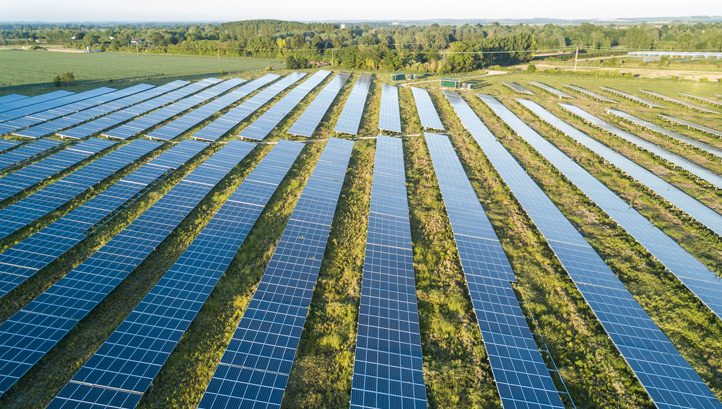
The largest single project to win a contract sits on the Lincolnshire and Nottinghamshire border, a development called West Burton that local opponents have characterised as "mass industrialisation" of the countryside. They're not entirely wrong—utility-scale solar does transform landscapes, and the visual impact of several hundred hectares of photovoltaic panels is not something you can hide behind a hedge.
This is the recurring tension in every country trying to decarbonise: clean energy requires physical space, and physical space is where people already live, farm, or enjoy walking their dogs. All 157 solar projects had already received planning permission before winning contracts, which means these arguments have been had and decided, though rarely to everyone's satisfaction.
What Solar Can and Cannot Do
Last year, solar provided just over 6% of Britain's electricity. That sounds modest until you learn that during certain half-hour windows in July, solar was generating more than 40% of the country's power. The seasonal variation is rather extreme—this is, after all, a country where winter daylight can feel like an administrative oversight.
The government's target is 45-47GW of solar capacity by 2030, with rooftop installations potentially pushing that to 57GW. Current capacity sits somewhere between 21GW and 24GW, depending on who you ask. The gap between those figures and the target explains both the urgency and the scepticism. Most analysts doubt the 2030 clean power goal is achievable, given how many projects still need building and connecting to a grid that was designed for a fundamentally different energy system.
The Storage Problem Nobody Talks About Enough
Solar power arrives when it arrives. It cannot be negotiated with. This creates obvious difficulties for a country that consumes most of its electricity during dark winter evenings when solar panels are essentially decorative. The solution involves batteries and other storage technologies, which the government has acknowledged it needs more of without quite explaining where they'll come from or who will pay for them.
Wind helps -- summer tends to be calmer than winter, so solar and wind complement each other reasonably well across the year. But "reasonably well" is not the same as "reliably," and the honest truth is that Britain will need backup capacity for years to come, whether that's gas, nuclear, interconnectors to Europe, or some combination of all three.
Local Power, Local Questions
Alongside the solar contracts, the government has launched something called the Local Power Plan, promising up to £1 billion for community energy projects—solar panels on leisure centres, that sort of thing. The money comes from the budget already allocated to Great British Energy, the state-owned clean energy company that currently exists mostly as a concept and a press release.
Community energy has genuine appeal: smaller projects, local ownership, less political friction. Whether £1 billion is enough to transform anything depends on your definition of transformation and your tolerance for government announcements that promise more than they can deliver.
The Politics, Briefly
Energy Secretary Ed Miliband says backing solar and wind protects Britain from "the fossil fuel rollercoaster controlled by petrostates and dictators." Shadow energy secretary Claire Coutinho says the government is loading renewables onto a grid that cannot handle them. Reform UK questions whether net zero is worth pursuing at all. The Liberal Democrats and Greens want more renewables, faster. The SNP wants Scotland to control its own energy resources. Plaid Cymru supports renewables in theory but has opposed specific projects on agricultural land.
In other words, everyone agrees that energy is important and nobody agrees on what to do about it, which is not a uniquely British condition but does feel rather on-brand.
What Happens Next
These 157 solar projects now have a few years to get built and connected. Some will face delays. Some will encounter planning challenges despite already having permission. Some will quietly disappear from the development pipeline and nobody will mention them again.
The ones that do get built will incrementally shift Britain's electricity mix away from fossil fuels, which is the point. Whether it happens fast enough to meet the 2030 target is a different question—one that depends on grid upgrades, battery deployment, planning reform, and a sustained political commitment that tends to evaporate whenever energy prices drop or elections loom.
For now, 4.9GW of solar contracts is genuine progress. Not transformative progress. Not the end of anything. Just the slow, unglamorous work of replacing one energy system with another, one auction at a time.